Source Handmade Durable Jesus Pendant for prayer, gifts, and decoration
Explore 30 listings for a Handmade Durable Jesus Pendant suitable for prayer, gifts, and decoration. Buyers can compare metal and jade materials, plating options, and custom design features from suppliers in China.
Key considerations
Products List
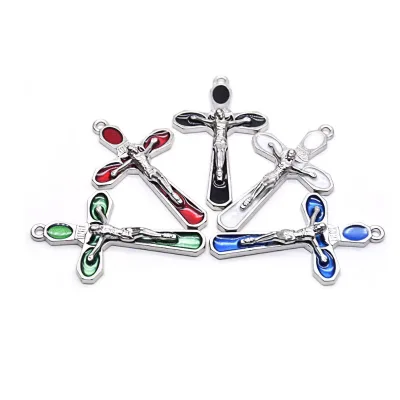
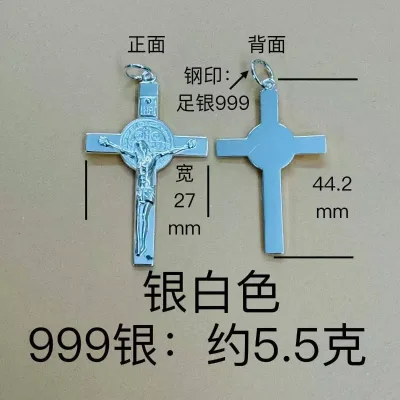
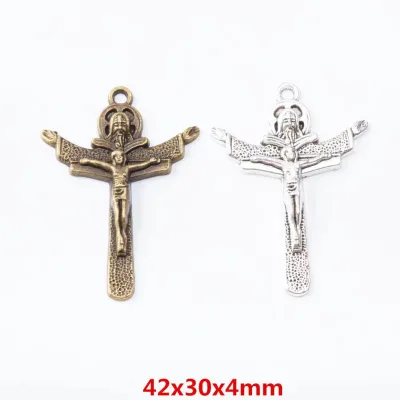
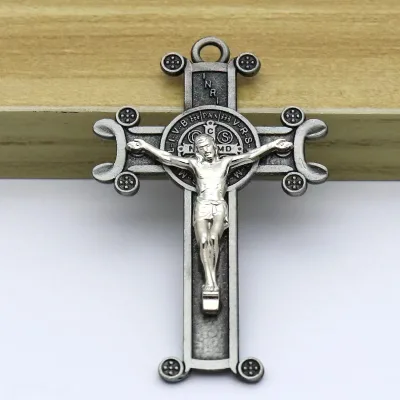
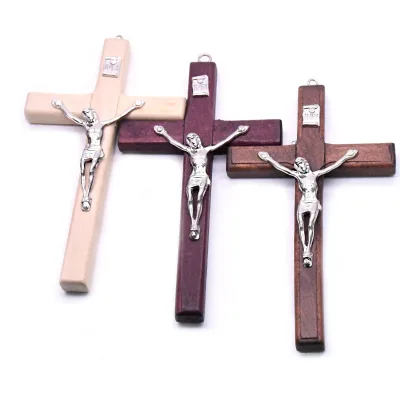
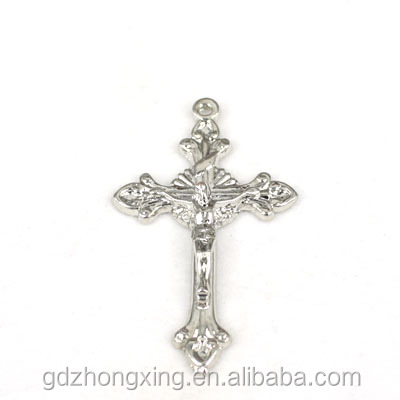
Wholesale 925 Sterling Silver Jesus Cross Pendant for Necklace Making A7407
$0.05 - $0.35
MOQ: 1000 Minimum
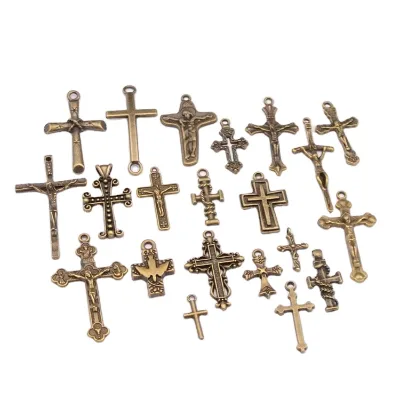
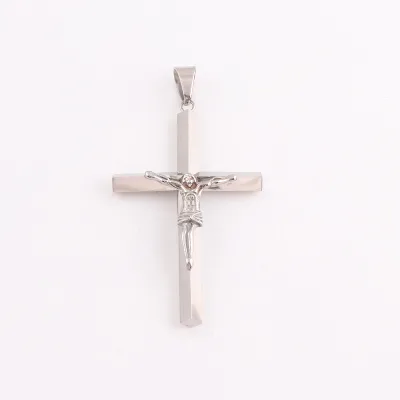



Comprehensive Sourcing Guide
Strategic Sourcing Guide for Handmade Durable Jesus Pendants
The global market for religious jewelry has seen a consistent trajectory of growth, driven by both personal devotion and the demand for meaningful gift items. For procurement professionals and B2B buyers seeking a Handmade Durable Jesus Pendant, the sourcing landscape requires a nuanced understanding of material integrity, manufacturing techniques, and supply chain reliability. The term "handmade" implies a level of artisanal craftsmanship that often differentiates the product from mass-produced alternatives, while "durable" necessitates rigorous verification of material composition and plating quality. This guide synthesizes available product data and industry standards to provide a structured approach for identifying, evaluating, and procuring high-quality religious pendants that meet specific operational and quality requirements.
Material Composition and Manufacturing Techniques
The foundation of any durable religious pendant lies in its material composition. In the current market, the most common materials observed for such items include various metals, with silver and plated alloys being prominent. Buyers must distinguish between solid precious metals and base metals with plating, as this distinction significantly impacts longevity and cost. The supplied data indicates a range of material attributes, including "Metal," "Silver," and "Natural" materials, suggesting that sourcing strategies must be flexible enough to accommodate different product tiers.
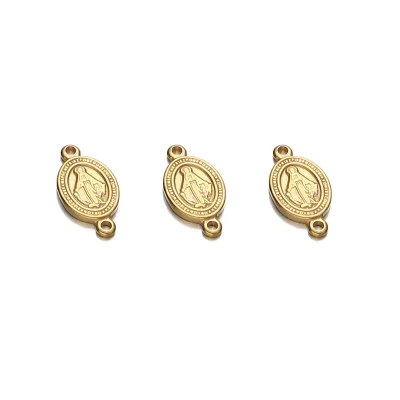
A critical technical specification for durability is the plating technique. The observed data lists "Plated," "SILVER," and "Gold-Plated" as specific attributes. For a product marketed as durable, the thickness and quality of the plating are paramount. Gold plating, for instance, is often applied to base metals to provide the aesthetic of gold while maintaining structural integrity and cost-effectiveness. However, the durability of gold plating depends heavily on the underlying metal and the electroplating process used. Buyers should verify the plating thickness, often measured in microns, to ensure resistance to tarnishing and wear. The presence of "Natural" materials in the data suggests that some pendants may incorporate elements like jade or stone, which require different handling and setting techniques compared to all-metal constructions.
Furthermore, the manufacturing technique labeled "Die Cutting Printing" and "Embossing Printing" indicates that decorative elements are applied through specific industrial processes. While these techniques add visual appeal, they must not compromise the structural integrity of the pendant. The "Handmade" aspect often involves manual assembly, setting stones, or finishing touches that cannot be fully automated. Buyers should request samples to assess the consistency of these manual processes. The data also notes a "Vintage Cross Charm Pendant" design, which implies a specific aesthetic that may require older or specialized tooling, further emphasizing the need for supplier verification regarding their capability to maintain this style consistently.
Technical Specifications and Product Dimensions
Precise technical specifications are essential for inventory planning, packaging logistics, and ensuring the product meets the intended use case. The observed data provides a variety of dimensional and weight specifications that highlight the diversity in the product line. For instance, single package sizes range from 10x10x10 cm to 15x10x5 cm, while single gross weights vary from 0.010 kg to 0.200 kg. These variations suggest that buyers must define their specific requirements regarding size and weight before engaging with suppliers, as a "one-size-fits-all" approach may not be viable.
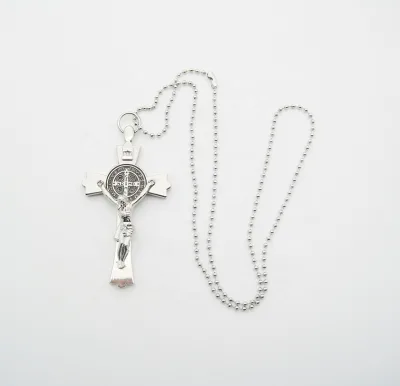
The physical dimensions of the pendant itself are equally critical. The data includes specific size references such as "4.8*2.6cm" and "M" (Medium), alongside length specifications like "20inches" for the chain or necklace component. When sourcing a complete necklace, the interplay between the pendant size and the chain length must be harmonized. A pendant that is too large for a short chain may appear disproportionate, while a small pendant on a long chain might look insubstantial. Buyers should verify the exact dimensions of the pendant against the chain length to ensure the final product aligns with the "religious" and "cross" style attributes observed in the market.
Additionally, the "Single package size" and "Single gross weight" are vital for calculating shipping costs and storage requirements. The observed range of 0.010 kg to 0.200 kg per unit indicates a significant variance in density and packaging density. For large-volume orders, these figures directly impact the total freight cost. Buyers should request a detailed packing list that includes the dimensions and weight of the master carton, not just the single unit, to accurately forecast logistics expenses. The "opp" packaging detail suggests the use of polyethylene bags, which is standard for protection but may need to be upgraded for premium branding or eco-friendly requirements.
Compliance, Certification, and Environmental Standards
In the B2B sector, compliance with environmental and safety standards is a non-negotiable aspect of procurement. The supplied data explicitly mentions "Environmental" as a product attribute and lists "Eco-Friendly" as a feature for certain items. This indicates a growing market trend where buyers and end-consumers prioritize sustainable and ethically sourced materials. The "Certificate: Accept" attribute suggests that suppliers may be willing to provide documentation, but buyers must verify the specific nature of these certificates.
When evaluating suppliers for handmade jesus pendants, buyers should inquire about the specific certifications held. Common certifications in the jewelry sector include those related to conflict-free sourcing, lead-free plating, and compliance with REACH (Registration, Evaluation, Authorisation and Restriction of Chemicals) regulations in the European Union. The "Eco-Friendly" claim should be substantiated by third-party testing or recognized certification bodies. Without specific standard names provided in the data, buyers must not assume compliance but rather treat these claims as observations that require verification.
The "Place of Origin" data points to "Zhejiang, China" and "Tianjin, China" as primary manufacturing hubs. Both regions have established jewelry manufacturing ecosystems, but regulatory compliance can vary between facilities. Buyers should ensure that the specific factory they engage with adheres to international labor standards and environmental regulations. The "Regional Feature: China" confirms the geographic concentration of the supply, but it does not guarantee uniform quality or compliance across all suppliers in the region. Therefore, due diligence regarding the specific factory's audit history and certification status is essential before placing large orders.
Cost Drivers and Pricing Dynamics
Understanding the cost drivers for handmade durable jesus pendants is crucial for budgeting and margin analysis. The observed price range of 0.05 to 999 USD represents a vast spectrum, likely reflecting differences in material value, craftsmanship complexity, and brand positioning. At the lower end, pendants may be made of base metals with thin plating and simple designs, while the higher end could involve solid silver, intricate hand-forging, or the inclusion of precious stones.
The "MOQ" (Minimum Order Quantity) data shows a range from 1 to 1000 pieces. This flexibility allows buyers to test the market with small orders or commit to larger volumes for better unit economics. However, the "Supply Ability" of 10000 pieces per day suggests that suppliers have the capacity for large-scale production, which can be leveraged for volume discounts. Buyers should negotiate based on their specific order volume, keeping in mind that handmade processes may inherently limit the speed of production compared to fully automated lines.
Other cost drivers include the "Plating" type (Silver vs. Gold-Plated) and the "Design" complexity. Custom designs, such as the "cross custom" or "Vintage Cross Charm Pendant," may incur additional tooling or setup costs. The "Logo: Customized Logo" feature indicates that branding is a common requirement, which adds to the unit cost. Buyers should request a detailed cost breakdown that separates material costs, labor costs, and tooling fees to understand the true cost structure. This transparency helps in identifying areas where cost savings can be achieved without compromising quality.
Supplier Evaluation and Quality Control Protocols
Selecting the right supplier is perhaps the most critical step in the sourcing process. The data lists several "Brand Name" entries, including "Phonbon" and "abk," which serve as examples of existing market players. However, buyers should not rely solely on brand recognition but must evaluate the supplier's overall capability. Key evaluation criteria include the supplier's "Supply Ability," their experience with "handmade" processes, and their track record for "Quality" control.
Quality control protocols should be established early in the engagement. Given the "Handmade" nature of the product, variability is a natural risk. Buyers should implement a rigorous inspection process that includes pre-production sample approval, in-line quality checks, and final random inspection. The "Product Type" being "rosary" or "jesus pendant" implies a high emotional value for the end-user, making defects like loose settings, uneven plating, or misaligned designs unacceptable.
The "Port of dispatch" being "Shanghai/ningbo" provides logistical clarity, but buyers should also verify the supplier's ability to meet "Lead Time" expectations. While the "Supply Ability" is high, the actual lead time for custom orders may vary based on the complexity of the design and the current order backlog. Buyers should establish clear communication channels to monitor production progress and ensure that the "Design" specifications are met exactly. The "Feature: Eco-Friendly" and "Certificate: Accept" should be part of the quality control checklist to ensure that the final product meets all stated environmental and compliance claims.
Long-Term Procurement and Market Applications
The long-term success of sourcing handmade jesus pendants depends on building a sustainable supply chain that can adapt to market changes. The "Usage" data indicates applications as "necklace" and "PRAYER," while the "Function" is listed as "religion." These attributes suggest that the product is primarily intended for personal religious use and gifting. The "Application: PRAYER" and "Use: Holiday Decoration & Gift" highlight seasonal demand spikes, particularly around religious holidays. Buyers should plan their inventory accordingly to avoid stockouts during peak periods.
The "Design" trend of "Vintage Cross Charm Pendant" and "custom" options indicates that customization is a key differentiator. Buyers who can offer unique designs or personalized options, such as "Customized Logo," may gain a competitive advantage in the market. However, this requires a supplier who is agile and capable of handling small-batch custom orders without significant delays.
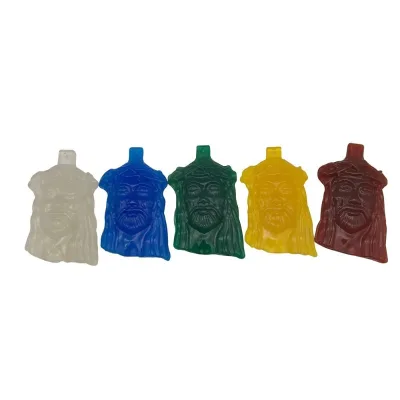
Furthermore, the "Color" options ranging from 1 to 24, and specific colors like "Green, Yellow, Red, White, Blue," suggest a need for a diverse color palette to cater to different cultural and personal preferences. Buyers should ensure that the supplier has a robust color management system to maintain consistency across batches. The "Style" attributes, including "religious," "Feng Shui," and "cross," indicate that the product appeals to a broad audience with varying spiritual or cultural backgrounds. Understanding these nuances can help buyers tailor their marketing and product offerings to specific target segments.
In conclusion, sourcing handmade durable jesus pendants requires a balanced approach that combines technical knowledge of materials and manufacturing with strategic supplier evaluation and quality control. By focusing on material integrity, verifying compliance, understanding cost drivers, and planning for long-term market needs, buyers can build a resilient supply chain that delivers high-quality religious jewelry to their customers. The data provided offers a solid foundation for these decisions, but continuous verification and adaptation to market trends remain essential for sustained success.
FAQs
What materials are used for handmade durable jesus pendants?
Materials include metal, silver, and natural components like jade. Buyers should verify if the item is solid silver or plated, as plating affects longevity and cost significantly.
Which certifications are available for eco-friendly religious jewelry?
Suppliers may accept certificates for environmental compliance. Buyers must request specific documentation to verify eco-friendly claims, as general acceptance does not guarantee third-party testing.
How does the minimum order quantity affect pricing?
MOQ ranges from 2 to 1000 pieces depending on the supplier. Lower quantities allow market testing, while larger orders often leverage the 10,000 pieces per day supply capacity for better rates.
Can buyers request custom designs for religious pendants?
Yes, custom designs like cross charms and logos are available. Suppliers offer options such as vintage styles or specific plating colors, though tooling costs may apply for unique requests.
What are the typical shipping locations for these products?
Products dispatch from Shanghai or Ningbo ports in China. Buyers should confirm the specific origin, as listings show Zhejiang and Tianjin as manufacturing hubs for these religious items.
How is the durability of plated pendants ensured?
Durability relies on plating techniques like silver or gold plating over base metals. Buyers should inspect samples for plating thickness to ensure resistance against tarnishing and daily wear.